
SeekOnMe: Building Apps That Understand Products
SeekOnMe helps developers move beyond keyword search and build AI apps that understand products, match customer needs, and improve commerce experiences.

SeekOnMe: Building Apps That Understand Products
AI is changing how people discover, compare, and buy products. Shoppers no longer need to rely on short keyword searches like “laptop 32GB RAM” or “camera tripod.” They can describe what they actually need, which creates a new opportunity for developers.
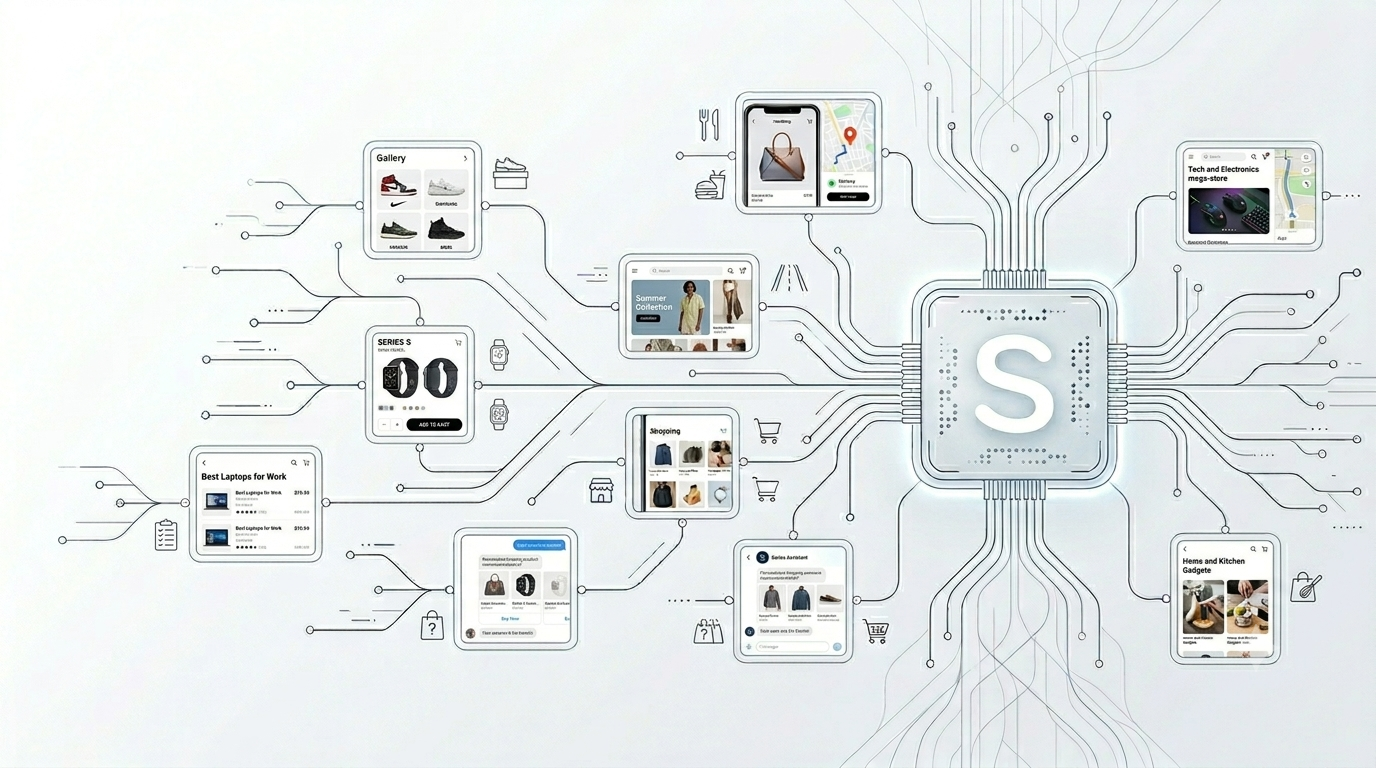
Most commerce infrastructure was built for keyword search. SeekOnMe is built for a different kind of experience: AI applications that can understand products, compare options, connect related products, and help people make better decisions. The question is no longer only how to help users find products. The bigger opportunity is what developers can build when product data becomes easier for AI to understand.
Here are three AI-native app areas we are excited about.
1. Product-Aware Shopping Assistants
One of the clearest opportunities is helping users choose the right product faster. Today, buying a product often means opening multiple tabs, comparing specs manually, reading reviews, watching videos, and trying to figure out whether something actually meets your needs. A shopping assistant could make that process feel more like talking to an expert, but the difference is not just the chat interface. It is the product understanding behind it.
A regular shopping assistant may answer from general knowledge, web pages, or whatever product text it can retrieve. A product-aware shopping assistant is different because it uses structured product data, such as specs, compatibility, categories, and variants. This is where SeekOnMe comes in. SeekOnMe helps turn product catalogs into structured product knowledge that AI applications can reason about. Instead of only matching keywords, a product-aware assistant can understand a user’s goals, constraints, preferences, and tradeoffs.
For example:
"Find me a laptop under $1,800 for gaming and video editing."
"Is this upgrade worth $300 more?"
This type of app goes beyond returning a list of products. It can explain why one option may be a better fit than another, what tradeoffs to consider, and whether a cheaper option is enough for the user’s needs. Beyond product-aware assistants, developers could use the same foundation to build product comparison agents, sales enablement tools, and internal product experts.
For shoppers, the experience becomes less like browsing a catalog and more like getting advice from a product expert. For businesses, the same product intelligence can help sales and support teams answer detailed product questions faster, explain technical differences more clearly, and guide customers before or after a purchase.
2. Compatibility, Configuration, and Bundle Builders
“Does this charger work with my laptop?”
Some of the most frustrating shopping experiences happen when products need to work together. Even when a user starts with a single item, they often need to know whether it fits their existing setup, works with something they already own, or requires additional accessories. This makes compatibility a strong opportunity for AI-native product apps. Developers could build tools like PC builders that recommend compatible parts, creator setup assistants that suggest the right camera, lighting, microphone, and streaming hardware, or home office bundle tools that combine furniture, monitors, accessories, and connectivity products.
Imagine a user asking:
“I’m building a gaming and AI workstation around an NVIDIA GeForce RTX 5090. What motherboard, power supply, case, cooling system, and monitor should I get?”
To support requests like this, apps need to understand more than individual products. They need to understand product relationships: what works together, what replaces something else, what accessories belong with a product, and what components are required for a complete setup. Furthermore, for developers building e-commerce sites and marketplaces, these experiences can also drive higher conversion rates and average order values by recommending complete, validated solutions instead of isolated SKUs.
SeekOnMe is a natural fit for these apps because it helps AI understand product relationships, so users can avoid incompatible parts, choose components that work well together, reduce returns, and make complex purchases feel simple.
3. Procurement and Business Buying Assistants
AI-assisted product understanding is not only useful for consumer shopping. Companies also need to buy things. Employees need laptops, monitors, furniture, hardware, supplies, and other equipment. Procurement teams need to balance product fit with price, availability, approved vendors, technical requirements, budgets, approval workflows, and internal policies.
A procurement assistant could help when teams ask questions like “compare these vendors for office monitors” or “create a hardware bundle for remote employees”. This type of app could save teams hours of research and reduce mistakes in purchasing.
SeekOnMe supports the product side of this experience by helping developers understand product specs, attributes, categories, compatibility, and relationships. The application itself would still handle company-specific logic, such as approved vendor lists, budgets, procurement policies, compliance requirements, and approval workflows.
Together, this creates a more useful procurement experience: SeekOnMe helps the app understand the products, while the app applies the business rules. Instead of manually reading product pages, spec sheets, vendor documents, and internal policies, employees could upload the relevant documents, describe what they need, and get options that satisfy both the product requirements and the company’s purchasing rules.
The Bigger Opportunity
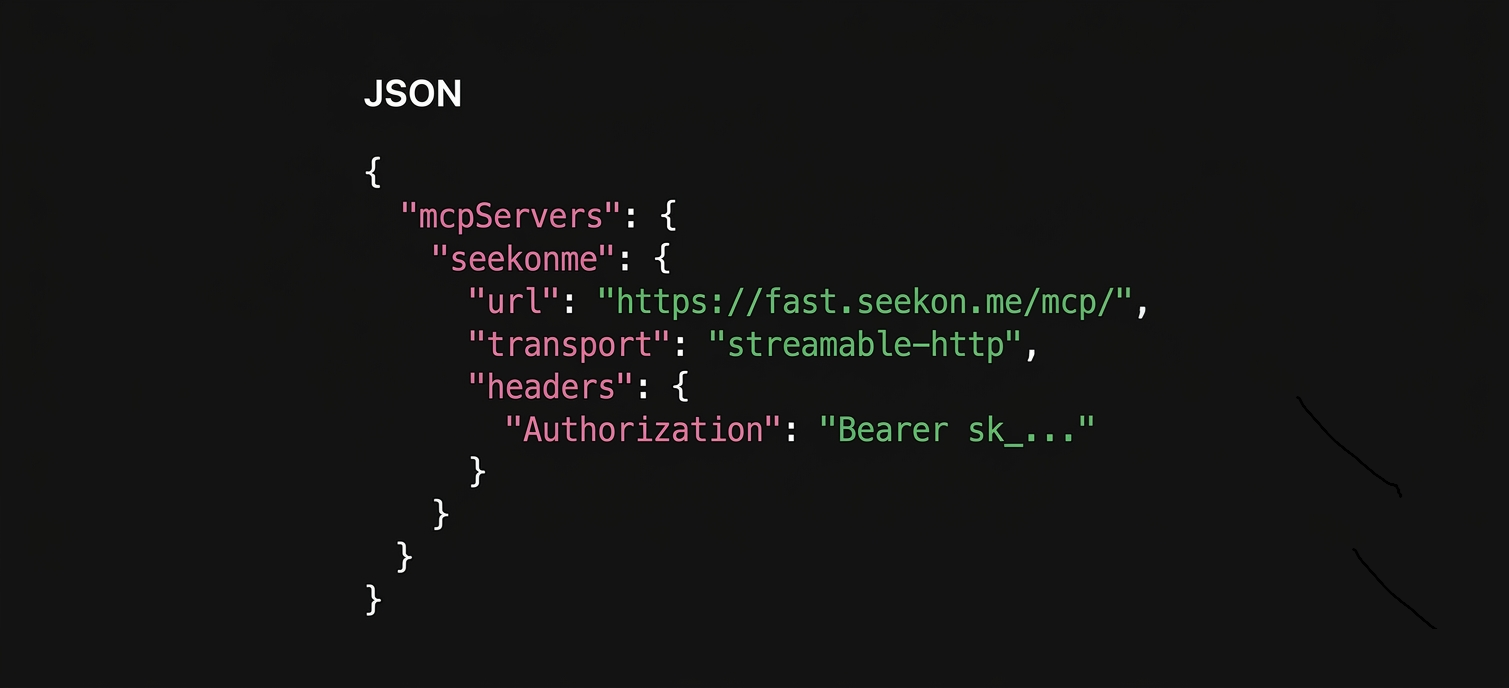
The most exciting thing about SeekOnMe is not one specific app. It is the possibility of a new product-data layer for AI-native commerce. Developers can build shopping assistants, decision tools, compatibility checkers, kit builders, procurement copilots, product-aware support agents, and many other applications on top of the same foundation.
AI needs to understand products before it can help people buy them. That means understanding what a product is, what it is good for, what requirements it satisfies, what it works with, and how it compares. SeekOnMe helps turn product catalogs into knowledge that AI applications can use. Once product data becomes easier for AI to understand, the developer surface area gets much bigger.
We are still early in AI-native commerce, and the best applications may not look like traditional shopping apps at all.
So we want to leave developers with one question:
What would you build with better product data?
If you are already working on something similar or have an idea for what should be built, check out SeekOnMe for developers at https://www.seekon.me/developers.
You can also reach out to me at ke@seekon.me or business@seekon.me.